Sapphires: Color, Origin, and Lore
Sapphires have been treasured for as long as people have pulled color out of the earth. Their appeal is not complicated: they are hard enough to wear for a lifetime, and they hold color the way few stones can.
WHAT A SAPPHIRE IS
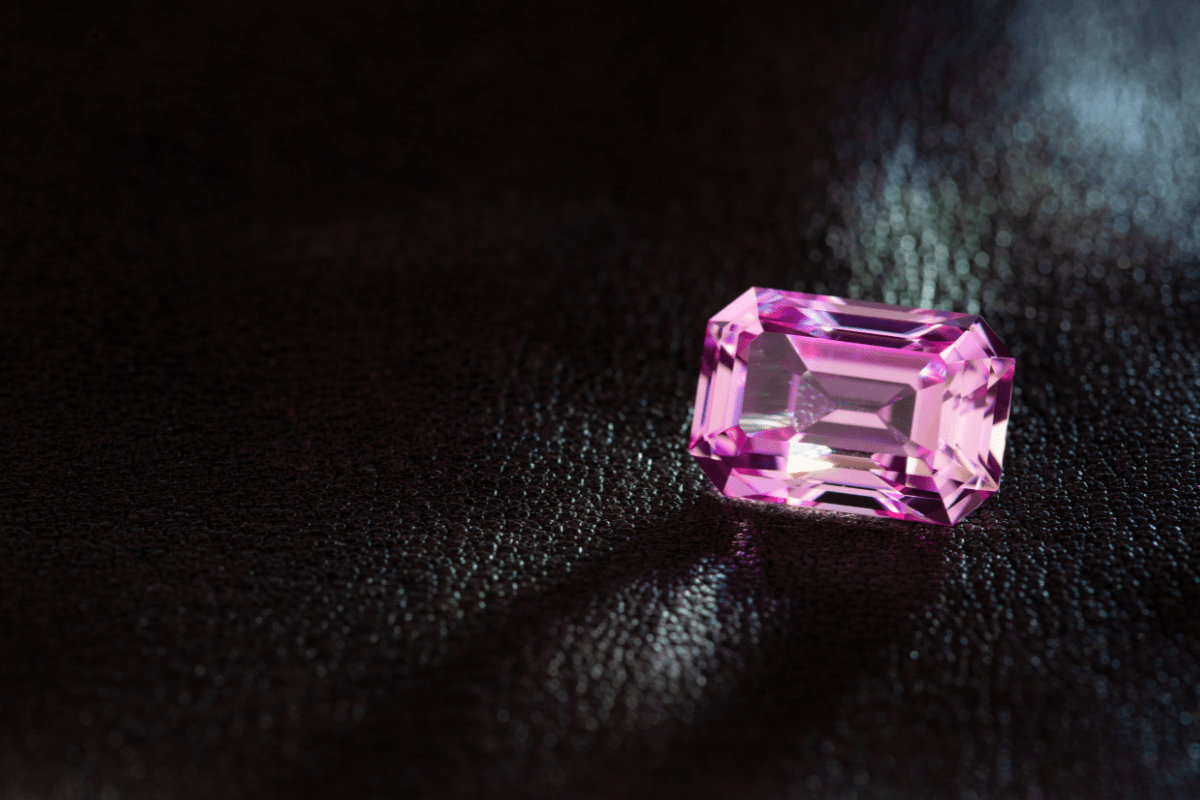
A sapphire is corundum, a crystal of aluminum oxide. Pure, it is colorless; its colors come from trace elements that slipped into the crystal as it formed. Iron and titanium make the blues. Chromium makes pink. Different mixtures give yellows, greens, violets, and the rare orange-pink called padparadscha. One mineral, a whole spectrum.
WHERE A SAPPHIRE COMES FROM
Origin is part of the stone's story. Montana produces sapphires in cool, glacial colors, including the cornflower blue the state is known for, many recovered from alluvial deposits where rivers did the first polishing. Australia, Sri Lanka, and Madagascar each yield their own ranges: ocean blues, dark teals, pinks, mossy greens. Here, origin travels with the stone: known-origin stones, with documentation we can show you.
THE LORE
Sapphires have carried meaning for centuries. Medieval kings and clergy wore them as protection against envy and harm. Hindu and Buddhist traditions associated the stone with clarity and insight. Star sapphires, whose crystal structure throws a six-rayed star across the dome of the stone, were carried as protective charms. And the most famous sapphire of the modern era is a ring: the engagement ring worn first by Princess Diana and now by Catherine, Princess of Wales.
IN THE HOUSE
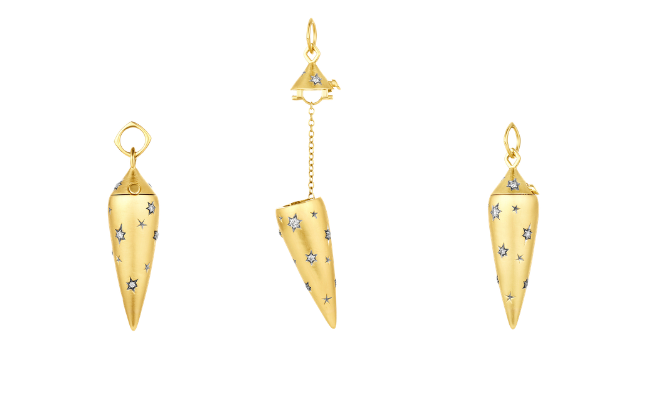
Sapphires run through the work here: set into talismans, chosen for commissions, and gathered loose in the Gemstone Directory. If one of them is the beginning of a piece, the bespoke inquiry is where that conversation starts.